
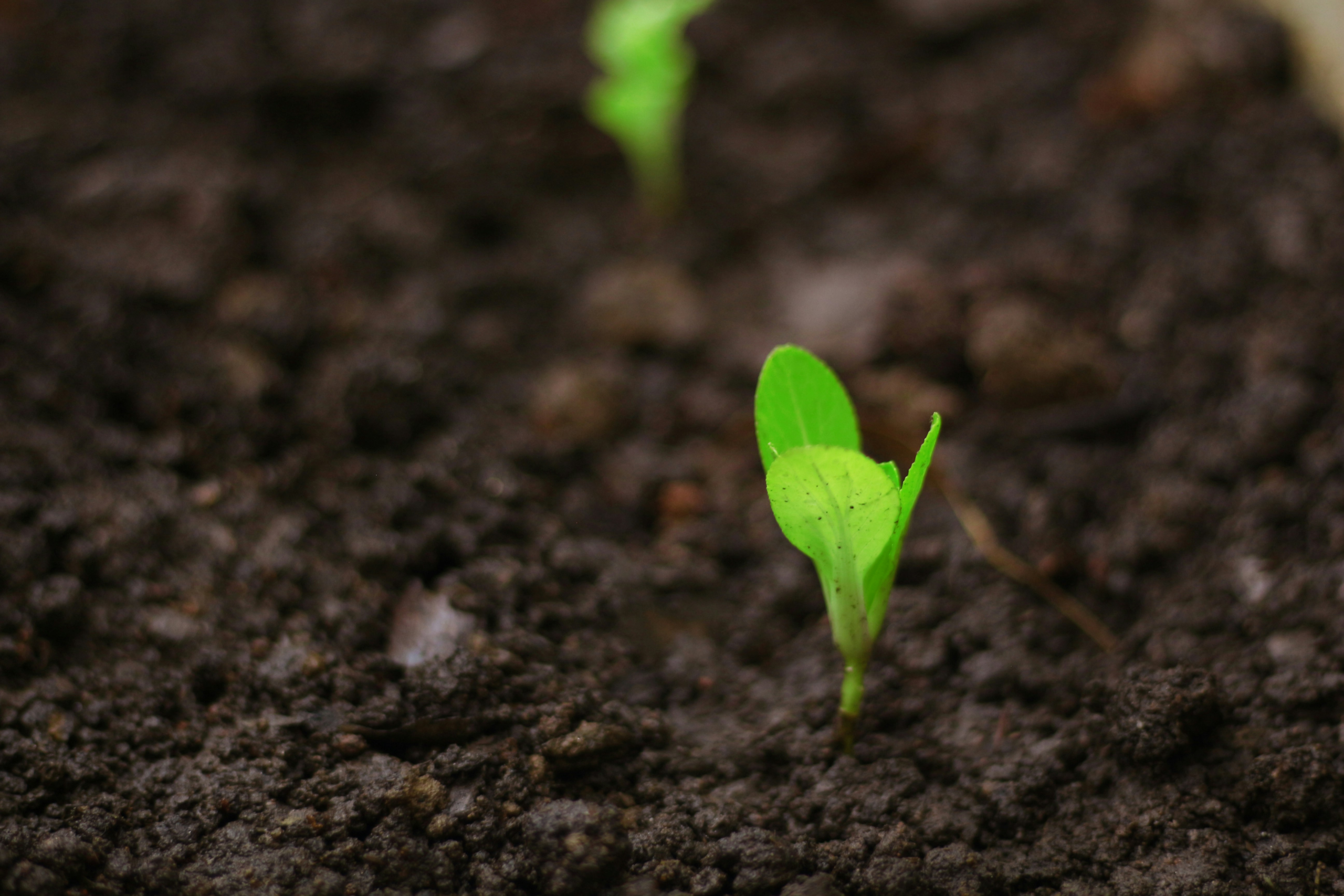
There are so many memes in the gardening world of someone leaning over freshly planted seeds with a magnifying glass, waiting for something — anything — to happen. They always make me laugh, mostly because that was exactly how I felt in the beginning. And honestly, sometimes still do.
When you plant a seed, so much of what’s happening at first is invisible. Roots are forming below the surface long before anything breaks through the soil. But when you’re new to gardening, waiting can feel unbearable. You plant, then you watch… and wait… and watch some more. Nothing happens quickly, and that alone can feel like a lesson.
When I first decided to grow a small garden in my backyard, I bought a few plants, put them in the ground, and expected results almost immediately. I wanted to harvest right away. Nature had other plans. She needed time — and I needed patience.
That lesson deepened even more once I started growing from seed. Take asparagus, for example. When grown from seed, you won’t harvest for three to four years. That kind of timeline requires real commitment and trust. But once established, asparagus will feed you for decades. Gardening has a way of teaching you that some of the most nourishing things come from long-term care, not quick results.
Plants grow when they’re ready. You can’t force roots, flowering, or fruiting. I’ve tried shortcuts — even experimented once with rooting squash and cucumbers in my Instant Pot after watching a YouTube video. It worked, technically… but it didn’t feel right for me. Over time, I’ve learned to work more in tune with nature’s pace instead of trying to rush the process. What we can do is create supportive conditions — good soil, water, light — and then let things unfold in their own time.
Of course, patience is tested most when things don’t go according to plan.
One year, I started my tomato seedlings on a heat mat and moved them under lights once they looked strong enough. Almost immediately, they drooped and nearly died — some didn’t survive at all. I panicked, started an entirely new tray, and then watched as a few of the original plants bounced back anyway. I ended up with over fifty tomato plants that season. Not exactly what I planned, but definitely a lesson learned.
Another year, I direct-sowed cucumbers in the garden. They sprouted beautifully… and then disappeared overnight, eaten by something I never saw. I started again, but the late start meant a poor harvest. Or the time I watched my Brussels sprouts grow tall and healthy, only to come outside one morning and find a groundhog had eaten the entire plant right down to the ground. Or the panic of a sudden frost, running outside in the dark to cover tender seedlings with sheets and blankets, hoping it would be enough.
Over time, these moments began to stack up. Not as failures, but as reminders that gardening doesn’t respond well to control. No amount of planning could prevent every loss, and no amount of effort could guarantee an outcome. Each season seemed to ask me to loosen my grip a little more — to accept uncertainty, to adapt, and to stay present rather than reactive.
I started to notice how much of gardening is about timing rather than force. You can prepare, tend, and care deeply, but you can’t rush roots or demand fruit. Some seasons teach abundance. Others teach restraint. Both have something to offer if you’re paying attention.
What gardening has taught me, more than anything, is that patience isn’t passive. It’s active observation. It’s showing up consistently. It’s caring without controlling. Nature isn’t rigid — plants adapt, survive, and often surprise you, even after setbacks.
You don’t need to do everything right. You don’t need perfect timing, perfect soil, or perfect conditions. You need attention, care, and the willingness to learn as you go.
Over time, gardening has slowed me down in ways I didn’t expect. It’s softened my expectations and deepened my respect for natural rhythms — not just in the garden, but in life. Growth happens when it’s ready.
And sometimes, the waiting is where the real work happens.