
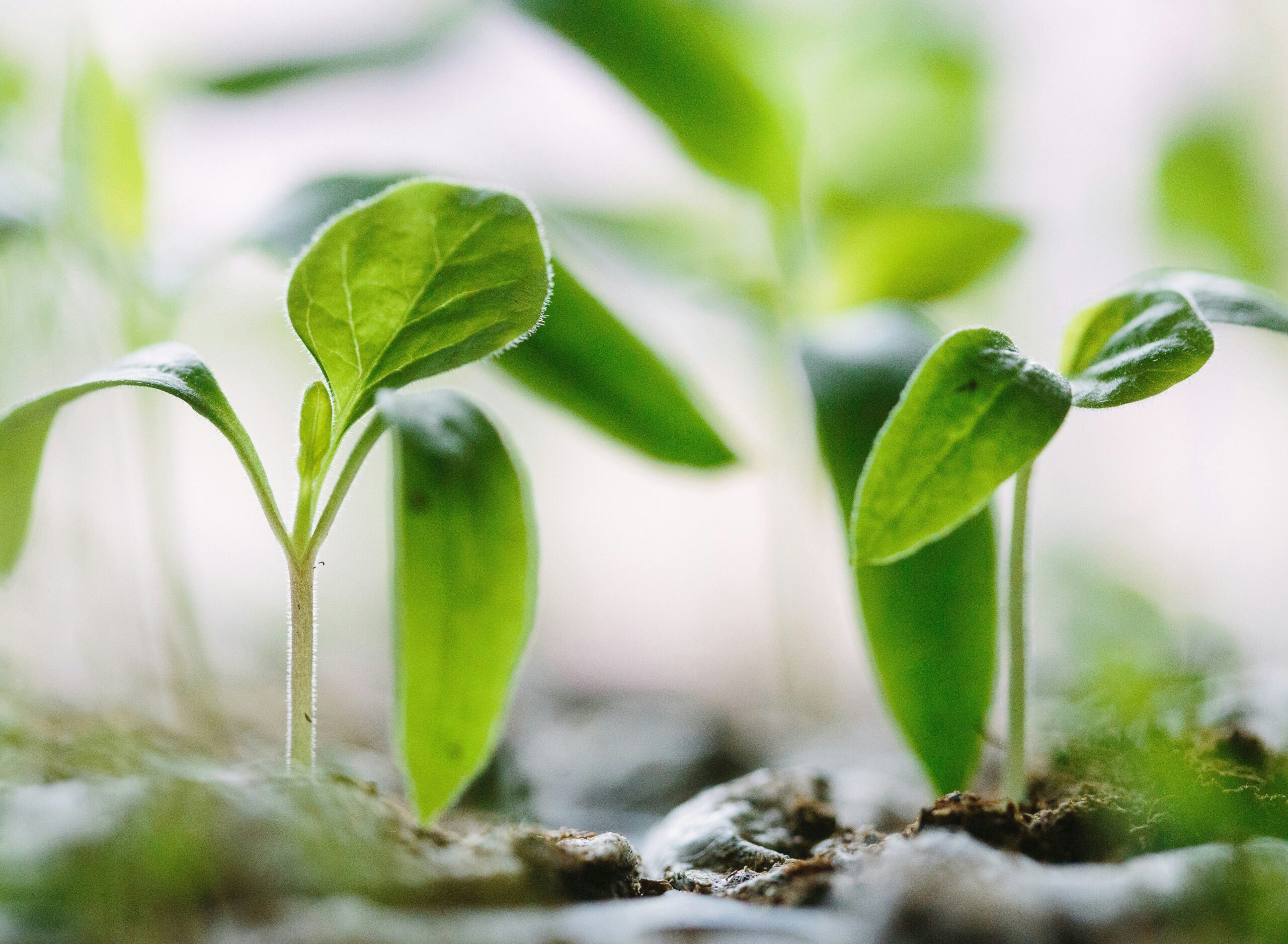
February is one of my favourite times of the year. Even though we’re still buried under a few feet of snow, garden planning season is officially here — and seed starting is about to begin.
The seed trays come out and get cleaned. Heat mats are tested. Grow lights are secured to the shelves I use every year. I start pulling out seed packets and flipping through possibilities, imagining what might grow this season. January usually brings a long scroll through my favourite heirloom seed company’s website and a very ambitious shopping list, though I’m a bit late this year.
I already have a ridiculous number of seeds. I’m a self-proclaimed seed-buying addict. The practical part of me knows I should go through what I already have first. The other part of me just wants to order everything immediately — only to realize later that I already owned half of it.
I fell in love with seed starting once I really noticed how generous plants are. In most cases, they produce far more seeds than they need just to keep growing again. Watching a single seed turn into a sprout, then into a plant that eventually produces food and hundreds of seeds to continue the cycle is endlessly fascinating to me. There’s something deeply satisfying about witnessing that full evolution, start to finish.
As my garden grew over the years, so did what I was spending on plants to fill it. Garden center prices went up, my space expanded, and I started wanting varieties I simply couldn’t find locally. One year alone I grew five different types of celery. I experimented with colourful carrots, purple cauliflower, unusual broccoli, and squash I had never grown before. Some of these varieties needed a longer season than our climate could offer, so starting them indoors just made sense.
Seed starting gave me more control — over timing, variety, and the entire process. I didn’t have to hope the garden center had what I wanted, or even leave the house at all. Everything could begin right here.
February, for me, is about the slow starters. Celery. Peppers. Rosemary. Plants that need more time and care before they ever see the garden. Getting them into soil early feels like a quiet promise that a new season has begun. There’s a deep satisfaction in that.
Of course, seed starting has also taught me plenty of lessons.
One year, I started my tomato seedlings on a heat mat and moved them under lights once they looked strong enough. Almost immediately, they drooped and nearly died — some didn’t survive at all. I panicked, started an entirely new tray, and then watched as a few of the original plants bounced back anyway. I ended up with an absurd number of tomato plants — far more than anyone needs — and gave many of them away. It was a lesson in both patience and restraint.
Another year, after moving to a property with much more space, I decided to go all in. I started over twenty varieties of tomatoes, multiples of each. I had land, after all — or so I thought. I quickly learned that having acreage is not the same as having prepared garden space. The plants ended up far too close together, airflow was poor, pests showed up, and diseases followed. I remember standing in the garden trying to keep up, plants sprawling everywhere, knowing I had created more work than I could reasonably manage. That season taught me that more isn’t always better, and that intention matters more than enthusiasm.
Seed starting has taught me patience in a very real way. It’s taught me to slow down, observe, research, and adjust. Each year builds on the last — what worked, what didn’t, and what I’ll do differently next time.
It’s also important to say that seed starting isn’t for everyone — and it doesn’t have to be. Buying plants is a perfectly valid choice, and I still do it myself. Some plants, like strawberries, raspberries, and blueberries, simply take too long to produce when started from seed, and sometimes the best choice is meeting plants where they are instead of insisting on starting from the very beginning.
For me, seed starting began as a simple curiosity — just to see what would happen. Over time, it became part of how I move through the seasons. A quiet winter practice that leads into spring.
This year, I’m approaching it with a much calmer mindset. Fewer impulse decisions. More intention. Less hype. More focus on what we’ll actually eat and use, instead of filling the garden just to fill it.
This weekend, I’ll go through the seeds I already have and place a small, thoughtful order for what’s missing. Celery, peppers, rosemary, and a few flowers to begin shaping the perennial beds I dream of — especially for the pollinators.
It feels like a good place to start.