Blog

  • The Plants That Keep Giving

    I’ll never forget my second summer of gardening.

    We were living in a small house with a tiny backyard, and I had carved out an even tinier garden the year before — four tomato plants, some cucumbers, and kale. One morning I pulled back the curtains and saw a rabbit happily chomping away at my kale like I had planted it just for him.

    That fall, instead of pulling everything out, I chopped the dead plants down and left them to break down over winter. I didn’t think much of it at the time.

    The following spring, tomato plants were popping up everywhere.

    I had no idea the seeds would survive the winter, let alone grow into strong, productive plants all on their own. That year those volunteer tomatoes produced an unbelievable amount. I haven’t bought a tomato plant since. Seeds? Yes — because apparently I need to try every variety known to man. But actual plants? Never again.

    That was the first time I really understood what people mean when they say a garden gives back.

    Some plants do it once. Perennials do it for years.

    When we moved into our forever home, I planted an asparagus bed — some root stock and some from seeds I started. If you want to shorten the wait, buy root stock. It cuts harvest time from four years down to about two. Even then, it’s a commitment.

    Last year I could have harvested a few stalks, but there were only a handful, so I left them to strengthen the bed. This spring will be year three for the root stock, and I can hardly wait to finally harvest properly. That same patch will feed us for decades.

    That kind of return changes how you see things.

    We inherited raspberries and blackberries when we moved here, which felt like winning the lottery. I’ve had raspberry bushes at almost every house I’ve ever lived in — they would have been one of the first things I planted anyway.

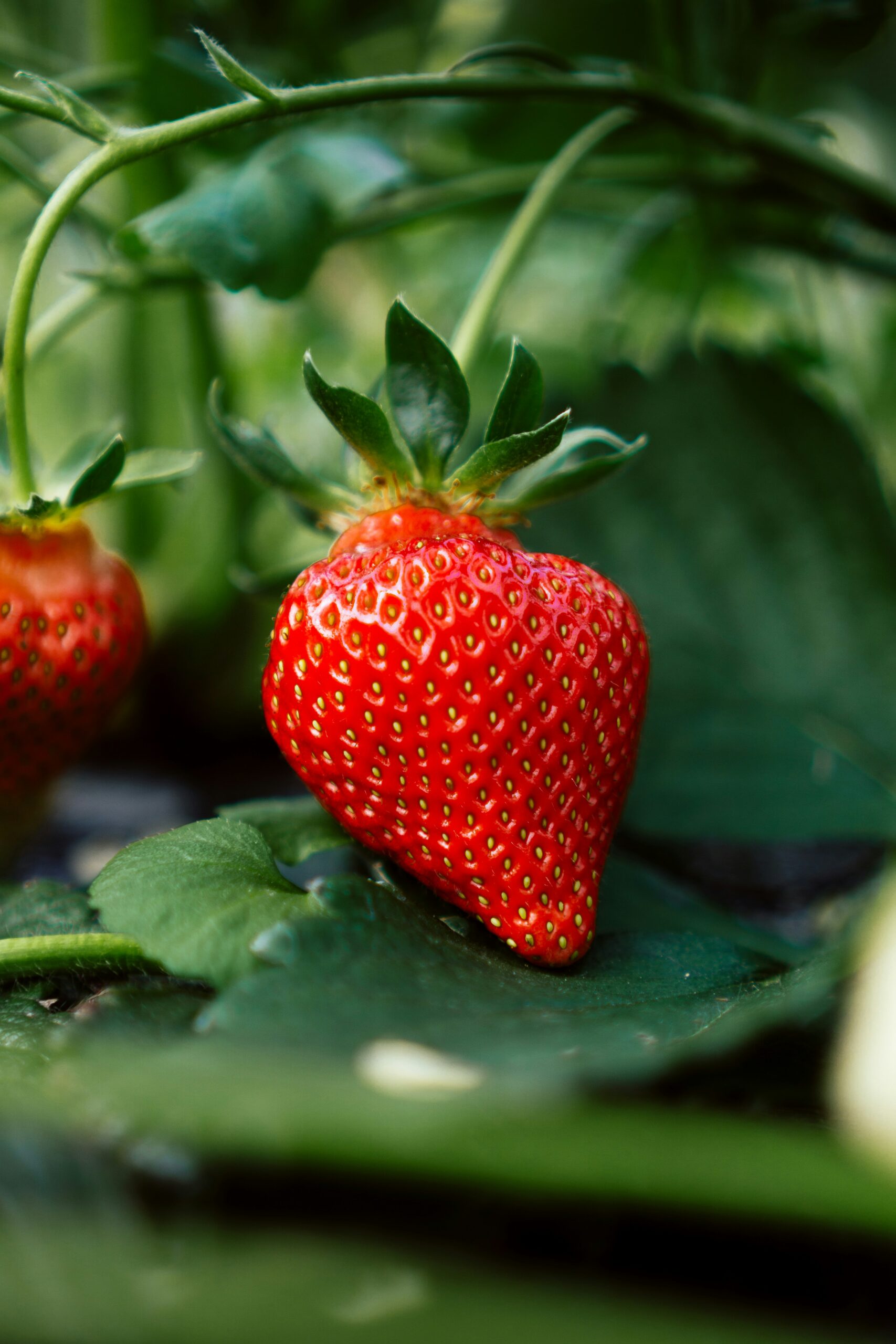
    Strawberries, though… they’ve humbled me.

    Every year we used to go strawberry picking as a family and eat as many as we put in the basket. Once you’ve tasted a freshly picked strawberry, you can’t forget it. During the Covid years, when those outings stopped, I planted my own patch.

    I think I’ve eaten maybe two strawberries from it.

    The birds win every time.

    I watch them turn from green to pink to almost-red and think, just one more day… and by morning they’re gone. So last fall I laid down two long rows of cardboard, covered them with wood chips and soil, and left them to settle over winter. This year I’m expanding the patch and adding netting. The small original bed can belong to the birds.

    Apparently I’m a bit of a berry fanatic, because blueberries followed soon after. They’re slower to establish, but once they do, they’ll produce for years. Two years ago I planted four varieties from a local farmer, and this spring I’ll be adding more.

    But fruit isn’t the only thing that keeps giving.

    The herbs add their own kind of steady return. Thyme, sage, and oregano quietly come back each year. Parsley reseeds itself so reliably that I barely need to start it anymore — flat and curly varieties popping up all over the garden whether I planned for them or not. I really wish basil and rosemary could have made this list. I’d love for them to return year after year without needing to be started again.

    Over time, herbs became more than just kitchen staples. As the cost of everything — including my beloved herbal teas — began to climb, I started planting with more intention. Peppermint, chamomile, lemon balm, and stinging nettle were among my first tea plants. They’re generous growers, which sounds lovely until you realize that some of them — mint, lemon balm, and stinging nettle especially — don’t just return, they spread. Aggressively. If you’re not careful, they’ll claim more territory than you intended. That’s wonderful if you love them and use them regularly, but it’s worth knowing what you’re getting into before planting.

    Bee balm came into the garden because the pollinators adore it and the tea has a gentle, floral quality. Echinacea was planted out of curiosity about its medicinal properties. Lavender didn’t need much justification — the scent alone makes it worth the space. Valerian and marshmallow were planted more out of curiosity than confidence — experiments to see if they would grow well here and actually become something I’d use.

    Over time, the tea and medicinal garden stopped feeling like an experiment and started feeling essential. Each plant proved itself in its own way — not just because it returned year after year, but because I actually used it. For tea. For small remedies. Or simply for the quiet satisfaction of growing something useful.

    That usefulness isn’t limited to what goes into a teapot. Calendula reseeds itself so generously that I rarely need to think about it anymore. Its bright blooms slip easily into salads, jars for drying, or small batches of salve. Elderberry, yarrow, and hyssop support the pollinators while offering their own gifts back to us — returning steadily if given the space to settle in.

    The more I garden, the more I’m drawn to plants that don’t ask to be replanted every spring.

    Not because they’re always easy — they’re not — but because they reward patience. They ask you to think in years instead of weeks. They remind you that some of the most meaningful harvests don’t come quickly.

    Plant once. Tend well. Harvest again and again.

    That’s the kind of abundance that feels lasting.

    And once you experience it, you start building your garden differently.
  • You Don’t Need All the Tools (What Actually Matters)

    When I first decided to start growing, I wanted a designer garden.

    You know the ones — perfectly framed raised beds, lush archways covered in vines, overflowing planters arranged just right. Pinterest makes it look so effortless. I remember thinking, How hard can that actually be?

    What I didn’t realize at the time was that those gardens don’t magically appear overnight. They’re built over seasons — through trial, error, learning, and slowly adding one piece at a time. Unless you’re a professional designer or have a free handyman on standby (wouldn’t that be nice), these things evolve.

    Mine certainly did.

    When we moved to our new house, I was determined to install large cedar raised beds everywhere. I priced them out… and that dream adjusted quickly. Instead of doing everything at once, I committed to adding a bed or two each year. The same thing happened when I saw those beautiful cattle panel arches covered in climbing squash and cucumbers instead of everything sprawled across the ground and I decided I needed a whole walkway of them.

    In reality, I installed two — and that’s how most of my garden has grown: slowly, in stages, as time and budget allow.

    The tools followed a similar pattern.

    Over the years, I can’t even tell you how much money I’ve spent on gadgets that promised to make things easier. Fancy seed trays. Tomato ties that “wouldn’t damage stems.” Special pruning saws. Irrigation parts I was sure I’d need. They now live under my deck — the place where gardening tools go to die.

    At the end of the day, I reach for the same basics over and over again: a good pair of gloves (and sturdier leather ones for blackberry brambles — those thorns will humble you quickly), a comfortable hand trowel, sharp pruners, a shovel, and a rake.

    And knee pads — which surprised me more than anything.

    I used to lug around a foam kneeling mat, constantly repositioning it as I worked. One day I picked up a cheap pair of knee pads on a whim, and now I wouldn’t garden without them. I’m up and down constantly, and it’s one less thing to drag around.

    A hat is essential. Long sleeves and rubber boots too — especially where we live. One spring, I was clearing beds fully covered, even wearing a bug net over my head, and the only exposed skin was my ankles. The black flies found them. I was so bitten I couldn’t sleep for days. Sometimes the most practical “tools” aren’t glamorous — they’re survival.

    I keep everything in a simple canvas bag — not because it’s fancy, but because tools disappear quickly in the garden. More than once I’ve sworn I owned a perfectly good pair of pruners, only to find them months later buried somewhere in the beds.

    Beyond those basics, though, most of what I once thought I needed… I didn’t.

    The garden didn’t thrive because I had the newest gear. It thrived when I focused on the fundamentals.

    The real tools are quieter than that: patience, observation, restraint.

    Restraint to not buy every new gadget promising bigger harvests. Restraint to not install everything at once. Restraint to let the garden grow in stages.

    Observation to notice what your soil needs. What your plants are telling you. What works in your specific space.

    And patience — because nothing in a garden responds well to rushing.

    Digging compost into your beds will do more for your harvest than a designer shovel ever will. Feeding your soil consistently will change more than any trending irrigation system.

    Over time, I’ve realized that gardening gets easier when you simplify.

    Start with the basics. Add slowly. Let the garden evolve as you do.

    You don’t need a shed full of tools to grow something meaningful.

    You just need to begin — and let the rest grow from there.

  • Why Your Soil Matters More Than Your Plants

    I remember the first time I had mushroom compost delivered.

    I had never used it before. My brother was helping me put in a garden at our new house, and he brought a few yards of this dark, rich compost from a local farmer. As we spread it across the beds, he casually said something like, “Oh, you’ll have a great garden this year.”

    And he wasn’t wrong.

    That year everything grew like crazy.

    It was lush. Vibrant. Abundant. Tomatoes towered, greens were overflowing, even the plants I normally struggled with seemed effortless. I felt like some kind of super gardener with a magic touch.

    But it wasn’t me.

    It was the soil.

    I really understood that lesson years later, during a season of extreme heat and almost no rain. The difference was drastic. Instead of dark, structured, moisture-holding soil full of life, parts of the garden became dry, sand-like, and caked. You could barely get a shovel into it.

    The plants looked tired. Stressed. Nothing was thriving.

    It was the same gardener. The same hands. The same intentions.

    But completely different soil.

    And that changed everything.

    That year taught me something I had been told but hadn’t truly felt — soil isn’t just dirt. It’s the foundation.

    For years, even before gardening, I composted. When we lived in the city, we used the organics program and sent off our kitchen scraps each week.

    Thinking back now — the gold I gave away. 😅

    As soon as I began gardening seriously, I realized compost wasn’t just waste management. It was soil food.

    Soil needs fresh organic matter. It needs something to break down and feed the life living within it — from earthworms to microscopic organisms you can’t even see. Soil isn’t a benign substance. It’s alive. It breathes. It holds structure. It manages water. It stores nutrients.

    If it doesn’t get fed, it gets depleted.

    And depleted soil grows depleted plants.

    When it’s cared for properly, though, it creates the best possible environment for roots to stretch, breathe, and thrive.

    If you look closely at a forest floor, you’ll see the system working perfectly.

    Trees grow and create shade. Leaves fall and cover the soil. That layer slowly breaks down, feeding organisms below the surface. Those organisms transform decay into rich, dark humus. The soil holds moisture. Roots weave through it easily. Nothing is exposed or stripped bare.

    It’s a continuous cycle of feeding and rebuilding.

    In a garden, we interrupt that natural system every year. We harvest. We clear. We disturb. So we have to participate in rebuilding it.

    A garden is an ecosystem — but it’s not a wild one. It needs our help.

    One of the simplest ways I support my soil is with compost.

    Even a small application at the beginning or end of the season can make a difference. In spring, I add an inch or two of compost before planting, then cover it with straw or wood chips. That layer protects the surface, keeps moisture in, and keeps the soil cooler during the heat of summer.

    In fall, I do it again — another layer of compost, then cover everything with fallen leaves. It’s like tucking the garden in for winter. Protected, insulated, and slowly breaking down to feed the soil while everything rests.

    I don’t think of this as extra work anymore. I think of it as tending the foundation.

    Since I started feeding my soil consistently, the difference is impossible to ignore.

    Plants are more resilient through heat and drought. Pests are less of a problem. Harvests feel more abundant — not because I’m doing more, but because the foundation is stronger.

    When the soil is healthy, everything above it benefits.

  • Why I Start Seeds Indoors

    Why I Start Seeds Indoors

    February is one of my favourite times of the year. Even though we’re still buried under a few feet of snow, garden planning season is officially here — and seed starting is about to begin.

    The seed trays come out and get cleaned. Heat mats are tested. Grow lights are secured to the shelves I use every year. I start pulling out seed packets and flipping through possibilities, imagining what might grow this season. January usually brings a long scroll through my favourite heirloom seed company’s website and a very ambitious shopping list, though I’m a bit late this year.

    I already have a ridiculous number of seeds. I’m a self-proclaimed seed-buying addict. The practical part of me knows I should go through what I already have first. The other part of me just wants to order everything immediately — only to realize later that I already owned half of it.

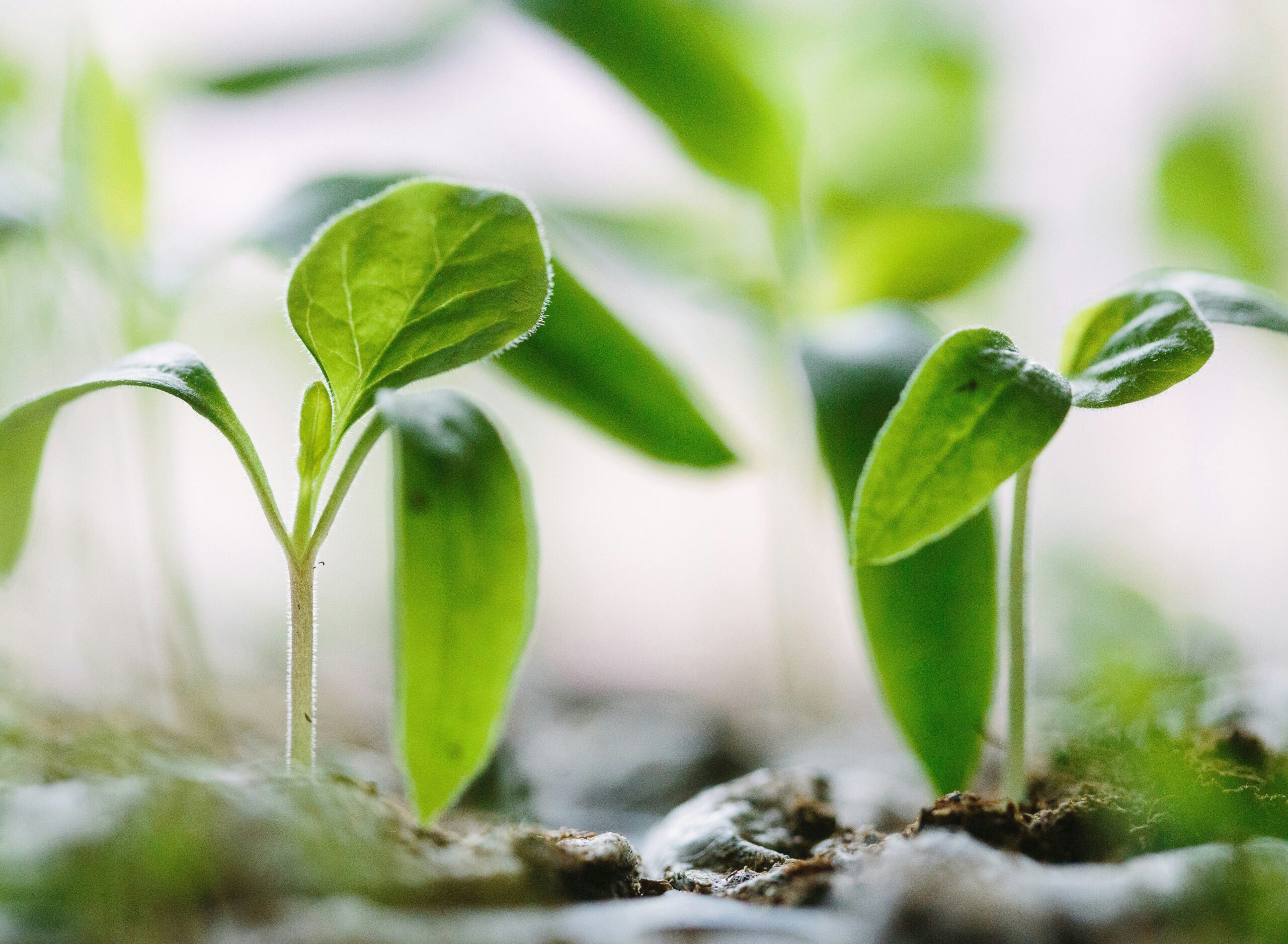
    I fell in love with seed starting once I really noticed how generous plants are. In most cases, they produce far more seeds than they need just to keep growing again. Watching a single seed turn into a sprout, then into a plant that eventually produces food and hundreds of seeds to continue the cycle is endlessly fascinating to me. There’s something deeply satisfying about witnessing that full evolution, start to finish.

    As my garden grew over the years, so did what I was spending on plants to fill it. Garden center prices went up, my space expanded, and I started wanting varieties I simply couldn’t find locally. One year alone I grew five different types of celery. I experimented with colourful carrots, purple cauliflower, unusual broccoli, and squash I had never grown before. Some of these varieties needed a longer season than our climate could offer, so starting them indoors just made sense.

    Seed starting gave me more control — over timing, variety, and the entire process. I didn’t have to hope the garden center had what I wanted, or even leave the house at all. Everything could begin right here.

    February, for me, is about the slow starters. Celery. Peppers. Rosemary. Plants that need more time and care before they ever see the garden. Getting them into soil early feels like a quiet promise that a new season has begun. There’s a deep satisfaction in that.

    Of course, seed starting has also taught me plenty of lessons.

    One year, I started my tomato seedlings on a heat mat and moved them under lights once they looked strong enough. Almost immediately, they drooped and nearly died — some didn’t survive at all. I panicked, started an entirely new tray, and then watched as a few of the original plants bounced back anyway. I ended up with an absurd number of tomato plants — far more than anyone needs — and gave many of them away. It was a lesson in both patience and restraint.

    Another year, after moving to a property with much more space, I decided to go all in. I started over twenty varieties of tomatoes, multiples of each. I had land, after all — or so I thought. I quickly learned that having acreage is not the same as having prepared garden space. The plants ended up far too close together, airflow was poor, pests showed up, and diseases followed. I remember standing in the garden trying to keep up, plants sprawling everywhere, knowing I had created more work than I could reasonably manage. That season taught me that more isn’t always better, and that intention matters more than enthusiasm.

    Seed starting has taught me patience in a very real way. It’s taught me to slow down, observe, research, and adjust. Each year builds on the last — what worked, what didn’t, and what I’ll do differently next time.

    It’s also important to say that seed starting isn’t for everyone — and it doesn’t have to be. Buying plants is a perfectly valid choice, and I still do it myself. Some plants, like strawberries, raspberries, and blueberries, simply take too long to produce when started from seed, and sometimes the best choice is meeting plants where they are instead of insisting on starting from the very beginning.

    For me, seed starting began as a simple curiosity — just to see what would happen. Over time, it became part of how I move through the seasons. A quiet winter practice that leads into spring.

    This year, I’m approaching it with a much calmer mindset. Fewer impulse decisions. More intention. Less hype. More focus on what we’ll actually eat and use, instead of filling the garden just to fill it.

    This weekend, I’ll go through the seeds I already have and place a small, thoughtful order for what’s missing. Celery, peppers, rosemary, and a few flowers to begin shaping the perennial beds I dream of — especially for the pollinators.

    It feels like a good place to start.

  • What Gardening Has Taught Me About Patience

    What Gardening Has Taught Me About Patience

    There are so many memes in the gardening world of someone leaning over freshly planted seeds with a magnifying glass, waiting for something — anything — to happen. They always make me laugh, mostly because that was exactly how I felt in the beginning. And honestly, sometimes still do.

    When you plant a seed, so much of what’s happening at first is invisible. Roots are forming below the surface long before anything breaks through the soil. But when you’re new to gardening, waiting can feel unbearable. You plant, then you watch… and wait… and watch some more. Nothing happens quickly, and that alone can feel like a lesson.

    When I first decided to grow a small garden in my backyard, I bought a few plants, put them in the ground, and expected results almost immediately. I wanted to harvest right away. Nature had other plans. She needed time — and I needed patience.

    That lesson deepened even more once I started growing from seed. Take asparagus, for example. When grown from seed, you won’t harvest for three to four years. That kind of timeline requires real commitment and trust. But once established, asparagus will feed you for decades. Gardening has a way of teaching you that some of the most nourishing things come from long-term care, not quick results.

    Plants grow when they’re ready. You can’t force roots, flowering, or fruiting. I’ve tried shortcuts — even experimented once with rooting squash and cucumbers in my Instant Pot after watching a YouTube video. It worked, technically… but it didn’t feel right for me. Over time, I’ve learned to work more in tune with nature’s pace instead of trying to rush the process. What we can do is create supportive conditions — good soil, water, light — and then let things unfold in their own time.

    Of course, patience is tested most when things don’t go according to plan.

    One year, I started my tomato seedlings on a heat mat and moved them under lights once they looked strong enough. Almost immediately, they drooped and nearly died — some didn’t survive at all. I panicked, started an entirely new tray, and then watched as a few of the original plants bounced back anyway. I ended up with over fifty tomato plants that season. Not exactly what I planned, but definitely a lesson learned.

    Another year, I direct-sowed cucumbers in the garden. They sprouted beautifully… and then disappeared overnight, eaten by something I never saw. I started again, but the late start meant a poor harvest. Or the time I watched my Brussels sprouts grow tall and healthy, only to come outside one morning and find a groundhog had eaten the entire plant right down to the ground. Or the panic of a sudden frost, running outside in the dark to cover tender seedlings with sheets and blankets, hoping it would be enough.

    Over time, these moments began to stack up. Not as failures, but as reminders that gardening doesn’t respond well to control. No amount of planning could prevent every loss, and no amount of effort could guarantee an outcome. Each season seemed to ask me to loosen my grip a little more — to accept uncertainty, to adapt, and to stay present rather than reactive.

    I started to notice how much of gardening is about timing rather than force. You can prepare, tend, and care deeply, but you can’t rush roots or demand fruit. Some seasons teach abundance. Others teach restraint. Both have something to offer if you’re paying attention.

    What gardening has taught me, more than anything, is that patience isn’t passive. It’s active observation. It’s showing up consistently. It’s caring without controlling. Nature isn’t rigid — plants adapt, survive, and often surprise you, even after setbacks.

    You don’t need to do everything right. You don’t need perfect timing, perfect soil, or perfect conditions. You need attention, care, and the willingness to learn as you go.

    Over time, gardening has slowed me down in ways I didn’t expect. It’s softened my expectations and deepened my respect for natural rhythms — not just in the garden, but in life. Growth happens when it’s ready.

    And sometimes, the waiting is where the real work happens.

  • You Don’t Need a Perfect Garden to Start Growing

    We’ve all seen those Pinterest-worthy gardens — neat raised beds, abundance spilling over in perfect light, harvest baskets that look like they belong in a magazine. They’re beautiful. And they can be incredibly intimidating.

    For a long time, I thought I needed something close to that before I could really call myself a gardener. The right tools. The perfect soil. Enough space. An abundance of knowledge. But the truth is, none of that comes before you start. It comes because you started.

    My very first garden was a few tomato plants, some cucumbers, and kale. I still remember looking out one morning to find a rabbit contentedly chewing away at my kale. That was my introduction to gardening — not perfection, but a lesson with fur and ears.

    One thing I’ve learned over more than ten years of gardening — expanding a little more every single season — is that it’s an ever-evolving process, and it’s never perfect. Even the gardens that look flawless have stories of failure behind them. Every season I learn something new. Every season I feel the pull to make things just right. And every season, nature reminds me to slow down and work at her pace. She’s very good at that.

    Most gardens start imperfectly. They begin with small lessons: an entire plant being eaten, drooping leaves, seeds that fail to germinate, plants that never grow at all. This is exactly how I started. I learned by trial and error — and I’m still learning.

    If you’re going to start anywhere, start by growing something you actually like to eat. It’s far more rewarding that way. Herbs in a sunny window can slowly turn into a patio full of containers. A single tomato plant can multiply as you discover new varieties, uses, and flavours. Lettuce can grow in a pot or a tiny patch of ground. Small beginnings matter more than big plans.

    Growing anything at all creates connection — with nature, with your food, and with a little piece of land you tend yourself. From there, it evolves. You learn by observing. You begin to trust yourself. Over time, you stop relying solely on instructions and start noticing soil, light, water, and timing. Each season adds another lesson to your tool belt.

    Not every growing season will be a success — and that’s important to know from the beginning. Last year was especially hard for us. We went through one of the worst droughts we’ve experienced, paired with an extremely hot summer. The seasons before that had been lush and abundant, and I had quietly come to expect that abundance would always return.

    But nature had other plans.

    Earlier that year, I had started a large number of seeds, many of which were lost when we went without power for weeks after a major ice storm. Then the heat arrived, along with very little rain. Being on well water meant we had limits, and despite relying on rainwater totes, we simply didn’t have enough. The garden struggled, and it was heartbreaking to watch.

    Along with the disappointment came lessons — and a lot of reflection. It pushed me to rethink systems, to explore options like wicking beds, and to plan differently moving forward. Gardening has a way of teaching resilience, especially when things don’t go the way you hoped.

    What I’ve come to understand is this: nature isn’t rigid. Plants adapt. They’re resilient. They will surprise you. Growth doesn’t require control — just attention, patience, and care. You don’t need to do everything “right.”

    You simply need to begin.

    Start where you are. Grow what you can. Let it evolve.

    Nature will meet you there.

  • Why Homegrown Food Tastes Different (and Why That Matters)

    Why Homegrown Food Tastes Different (and Why That Matters)

    Have you ever bitten into a strawberry straight from the patch? Or eaten a cherry tomato warm from the vine? A peach picked directly from the tree?

    My mouth waters just thinking about it — especially now, buried under several feet of snow with no garden harvest in sight for months. I still dream of the smell of basil lingering on my fingers after brushing against a giant, vibrant leaf.

    There’s a certain moment in the garden when food stops feeling like a product and starts feeling like nourishment. It might be the first tomato warmed by the sun, or the quiet satisfaction of carrying a harvest back inside. It was in these small, sensory moments that I began to notice something I couldn’t quite explain at first — homegrown food simply feels different.

    I remember watching my son wander through the garden, plucking tomatoes from the plants and eating them like apples. He would never do that with tomatoes brought home from the grocery store. That small moment stayed with me, because it revealed something I hadn’t fully noticed before — the difference wasn’t just taste, it was trust.

    Food grown at home doesn’t travel thousands of miles to reach your plate. It grows in familiar, local soil, under known conditions, and at a pace guided by nature rather than logistics. It’s fresh, still alive in a way that’s hard to describe until you experience it yourself.

    Once plants are harvested, they begin to lose nutritional value almost immediately — sometimes quite quickly. The closer food is grown to home, the less time there is between harvest and eating, and the more of that vitality remains intact. When soil has been nurtured properly, the benefits extend even further. Healthy soil grows resilient plants, and those plants offer a kind of nourishment that feels deeper and more complete.

    Growing food at home also offers a level of choice and awareness that’s hard to come by elsewhere. You can grow varieties that thrive in your specific climate and allow food to ripen fully before harvesting. Much of the produce available in stores is picked early and finishes ripening during transport. While this makes large-scale distribution possible, it often means food never reaches its full expression in flavor or nutrition.

    Homegrown food is also, ideally, free from chemical sprays and pesticides. It remains hydrated and intact, rather than depleted by long storage and transport. There’s a freshness to it that’s immediately noticeable — in taste, in texture, and even in how long it lasts once harvested.

    For a long time, I knew that fresh food was “better,” but I never really stopped to consider why. It was something I felt more than understood.

    I spent many years relying entirely on grocery stores to feed my family. And in many ways, I still do. They provide convenience and access to food that so many people depend on. I would love to grow everything we eat, but realistically, that isn’t always possible. Growing food well takes time, planning, effort, and work.

    Still, once I started growing even a few things at home, something shifted.

    There’s something deeply satisfying about stepping outside to gather the ingredients for a meal. You can smell the freshness as you pick, feel the soil that needs to be rinsed away, and carry your harvest back inside knowing you didn’t have to drive anywhere to find it. That closeness feels like a form of nourishment in itself.

    Through growing food, I developed a sense of trust I didn’t realize had been missing. I knew where our food came from, what it had been sprayed with — or not sprayed with — how it had been cared for, and the conditions it grew in. I took comfort in knowing it was allowed to ripen naturally and harvested at its peak. That mattered deeply to me when it came to nourishing my body and my family.

    When the growing season comes to an end and the garden is put to rest, I feel the absence. It’s a bittersweet time. The outdoor tasks fade away, the beds go quiet, and there’s nothing left to tend in the cold. The pantry may be full of preserves and the freezer stocked, but it isn’t the same as stepping outside to harvest fresh abundance.

    At the same time, I understand the necessity of this pause. The soil needs rest. It needs time to break down plant matter, to feed and recover. Worms burrow deeper, pollinators go dormant, and snow eventually blankets everything in stillness. It’s a peaceful season — one that invites patience and reflection.

    As the garden sleeps, I feel a deep gratitude for what the season has given us and a renewed respect for nature and its rhythms. The cycle of growth and rest reminds me that nourishment isn’t constant or rushed. It arrives in its own time, just as it should.

    And that, too, matters.

  • Why I Started Nurtured Soil

    Nurtured Soil is a reflection of my journey with gardening, nourishment, and living closer to nature.

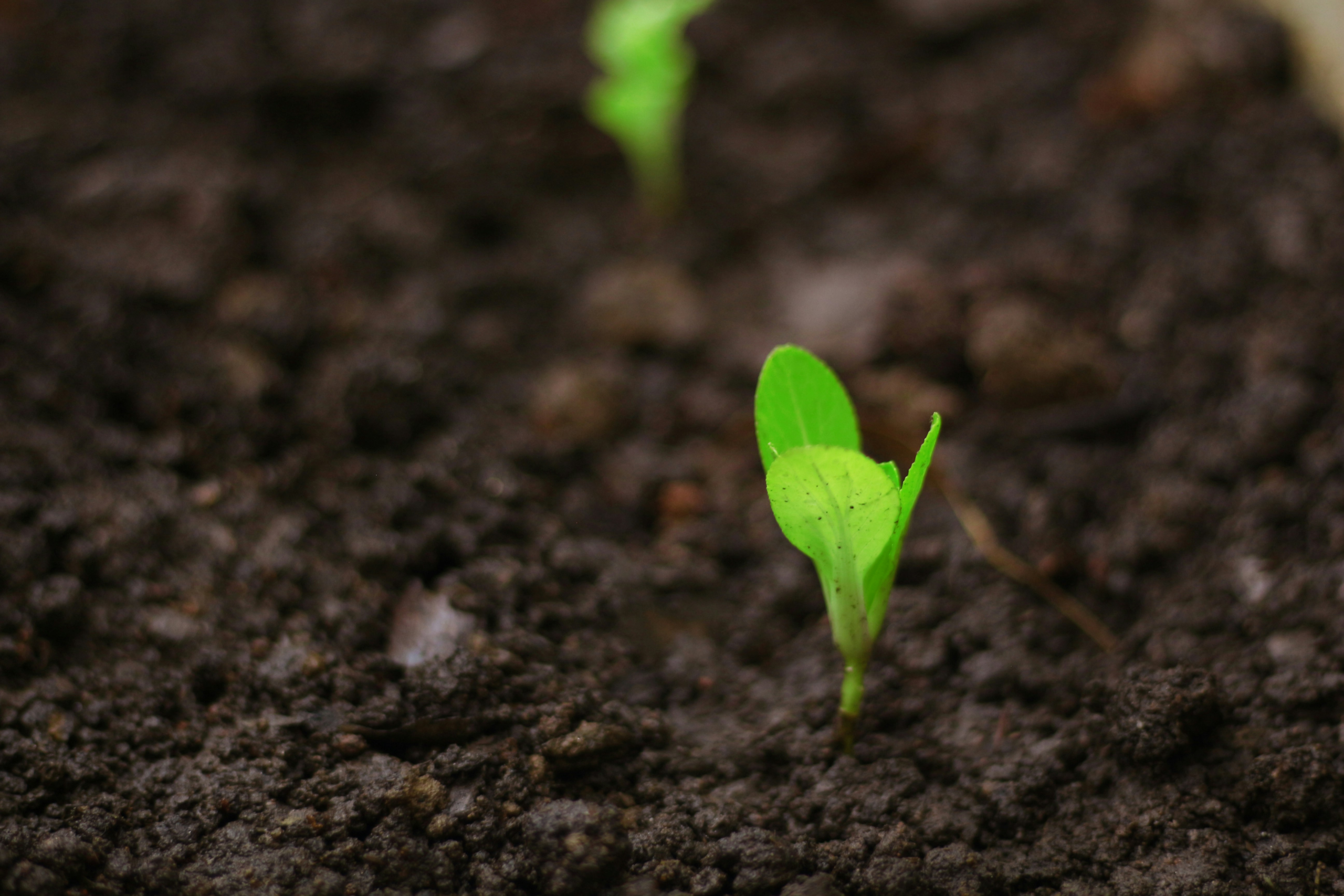
    Hands gently planting a small green seedling in healthy soil.

    Nurtured Soil began at a point in my life where I am looking for work that feels sustainable — not just financially, but emotionally, physically, and ethically. After years of being home raising my children, I knew I wanted to contribute in a way that honored the life we had built and the values that mattered most to me.

    Nurtured Soil began during a season of transition — a time when my children were growing more independent, and I found myself reflecting on how I wanted to spend my time, energy, and creativity moving forward. I felt ready to build something of my own — something that fit within the rhythm of our lives rather than pulling me away from it.

    I wasn’t looking to chase trends or hustle for the sake of being busy. I wanted something rooted. Something that grew slowly, honestly, and with intention — much like a garden.

    For me, the love of growing food came directly from becoming a parent. Like many parents, I wanted to do what was best for my family. Becoming more aware of ingredients in food and household products led me toward healthier choices, and I began to think more deeply about where our food came from. I grew up with a home garden and, even though I wasn’t interested in it at the time, I always knew there was a difference between garden-grown food and grocery store produce — in taste, in vitality, and in connection.

    As I learned more about organic food and large-scale agriculture, I began to realize that convenience and mass production, while necessary for feeding many people, are not always the best solution for optimal nutrition and health. Growing food at home offers something different — something deeper. At the same time, I recognize that not everyone has the time, space, or desire to grow their own food, and that reality deserves respect.

    Nurtured Soil started as a place to document my thoughts, experiences, lessons, and questions. A place to gather what I’ve learned through trial and error, success and failure, curiosity and persistence. Gardening, for me, isn’t just about plants — it’s about nourishment, patience, observation, and care.

    I love being outside with my hands in the soil, breathing fresh air, and working in my own little sanctuary in the middle of the forest. I love growing food, harvesting it, and feeding my family with it. I love watching bees move through the garden, noticing wildlife nearby, and smelling rain soak into the beds. Nature moves at its own pace, and it doesn’t rush for anyone — a lesson I’m still learning.

    This journey hasn’t been perfect. I’ve dealt with yellowing leaves, dying plants, gardens eaten overnight by deer or groundhogs, flowers disappearing before harvest, and seasons that didn’t unfold the way I expected. I wanted abundance right away. What I received instead was an abundance of lessons — things to research, questions to explore, and patience to practice. Over ten years in, I still feel like I’m just scratching the surface, and I love that.

    At its core, Nurtured Soil exists because I found something that felt meaningful. Something that supported my family’s health, connected me to the earth, and gave me a sense of purpose beyond busyness or obligation. I’ve never been drawn to doing work simply for the sake of money or following orders that feel disconnected from meaning. Gardening gave me something slower, deeper, and more fulfilling.

    I’m not a big social media person. I’m camera shy, not interested in selfies, and the idea of making videos makes me uncomfortable. I could easily stay in my quiet bubble, talking to my plants and keeping everything to myself. But I also know that some of what I’ve learned might help someone else — someone who feels overwhelmed, curious, or unsure where to begin.

    This space isn’t about perfection or performance. It’s a place to reflect, organize, and share the things I wish I’d known earlier. And if nothing else, it’s something my children can one day look back on — a record of another part of who I am and what mattered to me.

    That’s why I started Nurtured Soil.