
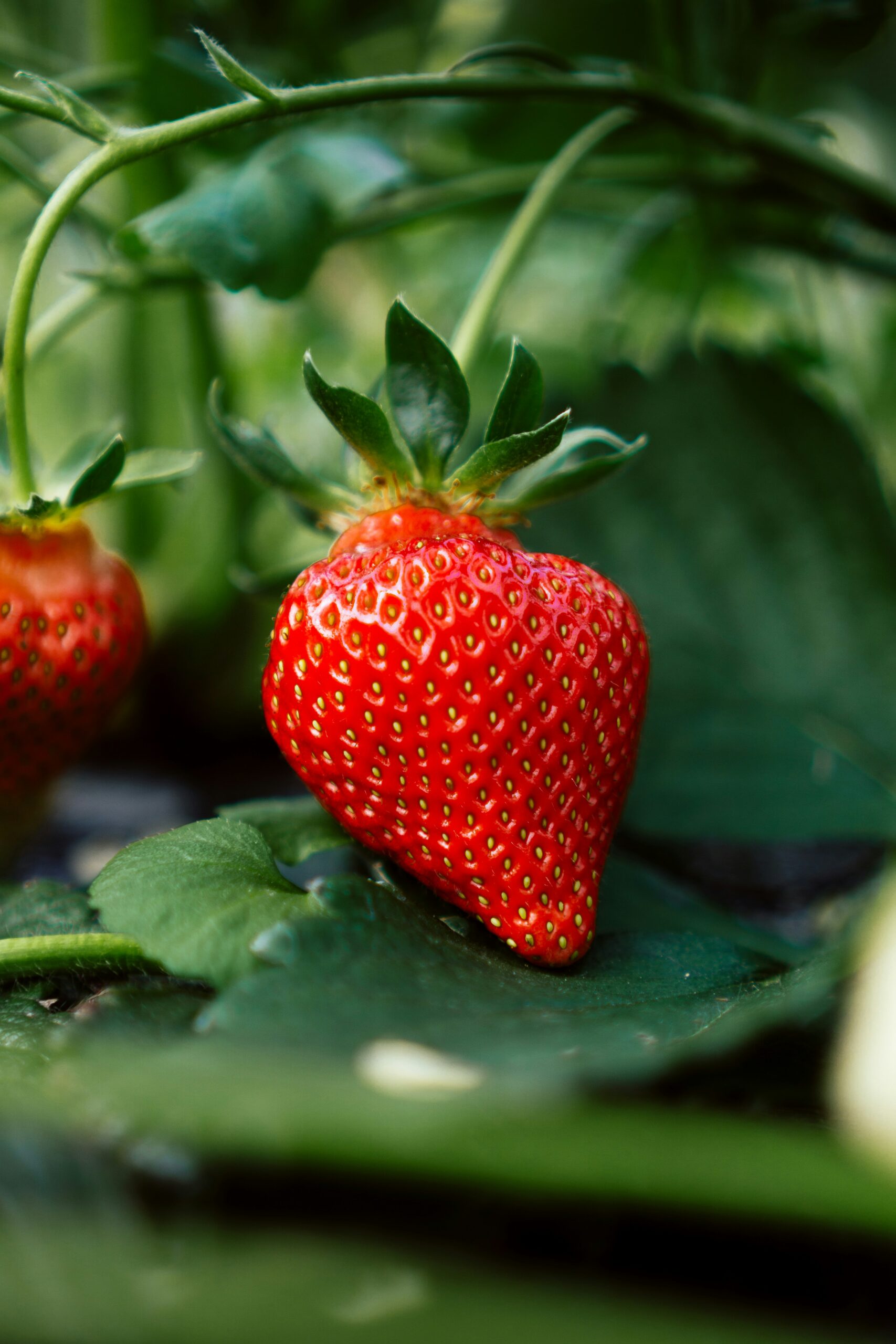
Have you ever bitten into a strawberry straight from the patch? Or eaten a cherry tomato warm from the vine? A peach picked directly from the tree?
My mouth waters just thinking about it — especially now, buried under several feet of snow with no garden harvest in sight for months. I still dream of the smell of basil lingering on my fingers after brushing against a giant, vibrant leaf.
There’s a certain moment in the garden when food stops feeling like a product and starts feeling like nourishment. It might be the first tomato warmed by the sun, or the quiet satisfaction of carrying a harvest back inside. It was in these small, sensory moments that I began to notice something I couldn’t quite explain at first — homegrown food simply feels different.
I remember watching my son wander through the garden, plucking tomatoes from the plants and eating them like apples. He would never do that with tomatoes brought home from the grocery store. That small moment stayed with me, because it revealed something I hadn’t fully noticed before — the difference wasn’t just taste, it was trust.
Food grown at home doesn’t travel thousands of miles to reach your plate. It grows in familiar, local soil, under known conditions, and at a pace guided by nature rather than logistics. It’s fresh, still alive in a way that’s hard to describe until you experience it yourself.
Once plants are harvested, they begin to lose nutritional value almost immediately — sometimes quite quickly. The closer food is grown to home, the less time there is between harvest and eating, and the more of that vitality remains intact. When soil has been nurtured properly, the benefits extend even further. Healthy soil grows resilient plants, and those plants offer a kind of nourishment that feels deeper and more complete.
Growing food at home also offers a level of choice and awareness that’s hard to come by elsewhere. You can grow varieties that thrive in your specific climate and allow food to ripen fully before harvesting. Much of the produce available in stores is picked early and finishes ripening during transport. While this makes large-scale distribution possible, it often means food never reaches its full expression in flavor or nutrition.
Homegrown food is also, ideally, free from chemical sprays and pesticides. It remains hydrated and intact, rather than depleted by long storage and transport. There’s a freshness to it that’s immediately noticeable — in taste, in texture, and even in how long it lasts once harvested.
For a long time, I knew that fresh food was “better,” but I never really stopped to consider why. It was something I felt more than understood.
I spent many years relying entirely on grocery stores to feed my family. And in many ways, I still do. They provide convenience and access to food that so many people depend on. I would love to grow everything we eat, but realistically, that isn’t always possible. Growing food well takes time, planning, effort, and work.
Still, once I started growing even a few things at home, something shifted.
There’s something deeply satisfying about stepping outside to gather the ingredients for a meal. You can smell the freshness as you pick, feel the soil that needs to be rinsed away, and carry your harvest back inside knowing you didn’t have to drive anywhere to find it. That closeness feels like a form of nourishment in itself.
Through growing food, I developed a sense of trust I didn’t realize had been missing. I knew where our food came from, what it had been sprayed with — or not sprayed with — how it had been cared for, and the conditions it grew in. I took comfort in knowing it was allowed to ripen naturally and harvested at its peak. That mattered deeply to me when it came to nourishing my body and my family.
When the growing season comes to an end and the garden is put to rest, I feel the absence. It’s a bittersweet time. The outdoor tasks fade away, the beds go quiet, and there’s nothing left to tend in the cold. The pantry may be full of preserves and the freezer stocked, but it isn’t the same as stepping outside to harvest fresh abundance.
At the same time, I understand the necessity of this pause. The soil needs rest. It needs time to break down plant matter, to feed and recover. Worms burrow deeper, pollinators go dormant, and snow eventually blankets everything in stillness. It’s a peaceful season — one that invites patience and reflection.
As the garden sleeps, I feel a deep gratitude for what the season has given us and a renewed respect for nature and its rhythms. The cycle of growth and rest reminds me that nourishment isn’t constant or rushed. It arrives in its own time, just as it should.
And that, too, matters.